Discover Kathmandu
To help your website visitors truly visualize the destination, Kathmandu is best understood through its distinct cultural and geographical layers:
1. The Living Heritage & Architecture
Kathmandu is defined by its deep spiritual roots, split beautifully between Hinduism and Buddhism. The city center is anchored by Durbar Square, where exquisite wooden carvings decorate medieval palaces once belonging to Malla kings. Towering above the city skylines are its iconic Buddhist monuments: the monumental white dome of Boudhanath Stupa, wrapped in colorful fluttering prayer flags, and the hilltop Swayambhunath (The Monkey Temple), which offers panoramic views over the valley floor. Along the sacred Bagmati River, the ancient Pashupatinath Temple stands as a powerful epicenter of Hindu devotion.
2. The Cultural Melting Pot
Beyond the stone monuments, Kathmandu thrives on its human energy. It is the historic homeland of the Newar people, master craftsmen whose culinary artistry—like choila (spicy water buffalo meat) and yomari (sweet steamed dumplings)—defines the local food scene. Walking the narrow alleys of old neighborhoods like Asan reveals a daily rhythm unchanged for generations: merchants selling vibrant heaps of marigolds, singing street musicians, and hidden courtyard shrines (bahals) tucked away from the main streets.
3. Thamel: The Traveler's Hub
For international visitors, the energetic neighborhood of Thamel acts as base camp. This dense, colorful enclave is packed with gear shops preparing mountaineers for the high peaks, vibrant bars hosting live classic rock acts, cozy cafes serving locally grown organic Himalayan coffee, and artisan shops selling handmade pashminas, singing bowls, and local handicrafts.
4. The Gateway to Nature
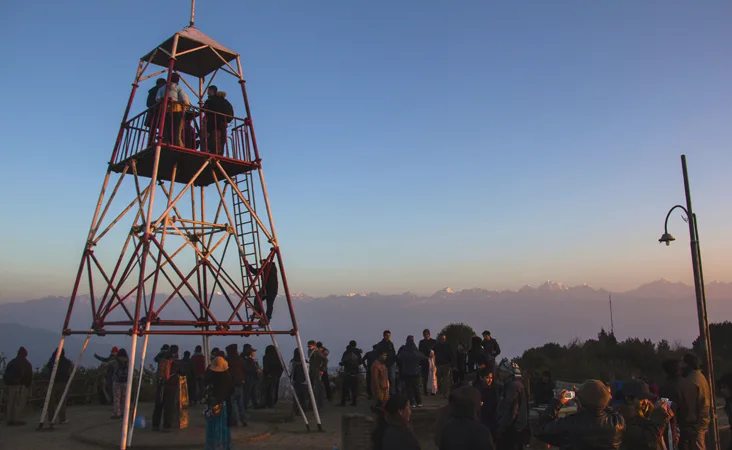
While the city center is urbanized, Kathmandu is uniquely ringed by green hills and national parks. Within less than an hour's drive, travelers can escape the urban chaos to hike through the forests of Shivapuri National Park, explore the peaceful medieval sister-cities of Patan and Bhaktapur, or ascend to the ridge lines of Nagarkot to watch the sunrise over the snow-capped Himalayan peaks.
Essential Traveler Snapshot
• Best Time to Visit: October to December (Crisp, blue skies post-monsoon) and March to May (Spring blooms and warm weather).
• Ideal Stay Duration: 2 to 4 days to fully explore the main historical sites, vibrant markets, and culinary highlights.
• Vibe: Electric, historical, chaotic, sensory, and deeply spiritual.